


- Wood Burning Fires
-
- Gas Fires
-
-
The Lucy

-
The Oliwia

-
-
- Bioethanol Fires
-
-
The Echo

-
The November

-
-

If you are looking for a new fire for your home, you’ve definitely come across the terms log burner, wood burner and wood-burning stove. They may at first look like different types of fireplaces. But for the most part they are talking about the same type of heater.
So is there a real difference between a log burner and a wood burning stove? The answer is a plain no. A wood burning stove, which burns logs to provide heat, is often called a log burner. You’ll see the wood burning stove word more often in product descriptions, technical information and installation assistance.
The titles are commonly used interchangeably, yet there are different designs, sizes, materials and features to consider when choosing a stove.
In this guide, we will explain the difference between these terms, how wood-burning stoves work, what features to look for and how to choose the right option for your home.
A log burner is a heating appliance that burns wooden logs to provide heat. In this guide, we will explain the difference between these terms, how wood-burning stoves work, what features to look for and how to choose the right option for your home.It usually features a closed firebox, a door with heat-resistant glass, and adjustable air controls that aid in controlling the fire.
The popularity of log burners in houses is due to their actual flames, traditional look and comforting source of heat. They come in many different types, from traditional cast iron designs to contemporary stoves with wide glass windows and clean lines.
The people who are looking for a log burner are usually looking for a stove to burn wood, rather than an open fireplace.
During the winter, a wood-burning stove heats a room or living space by burning wood inside. It’s the more formal term that most manufacturers and stores use.
Usually, the device has a chamber for burning wood inside it. The stove gives off heat into the room, and smoke and combustion gasses escape through the flue.
There is a wide range of heat sources, sizes, and finishes for wood-burning stoves. Depending on their rated output and the room’s heating needs, some are made for smaller rooms and others can heat bigger rooms more effectively.
The main difference is the wording rather than the appliance itself.
A log burner is the everyday name many people use, while a wood-burning stove is the more formal product name. Both generally describe an enclosed stove designed to burn wood logs.
However, the term log burner is sometimes used more broadly in everyday conversation to describe other types of wood-burning fires. This is why it is useful to check the product specifications rather than relying on the name alone.
Here is a simple comparison.
| Feature | Log Burner | Wood-Burning Stove |
|---|---|---|
| Meaning | Common name for a wood-burning stove | Formal name for the appliance |
| Fuel | Suitable wood logs | Suitable wood logs |
| Main purpose | Produces heat from burning wood | Produces heat from burning wood |
| Available styles | Traditional and modern | Traditional and modern |
| Heat output | Depends on the model | Depends on the model |
| Installation | Requires a suitable installation and flue arrangement | Requires a suitable installation and flue arrangement |
The key point: If you see a product advertised as a log burner or a wood-burning stove, do not assume one is better than the other. Compare its heat output, efficiency information, dimensions, features and installation requirements instead.
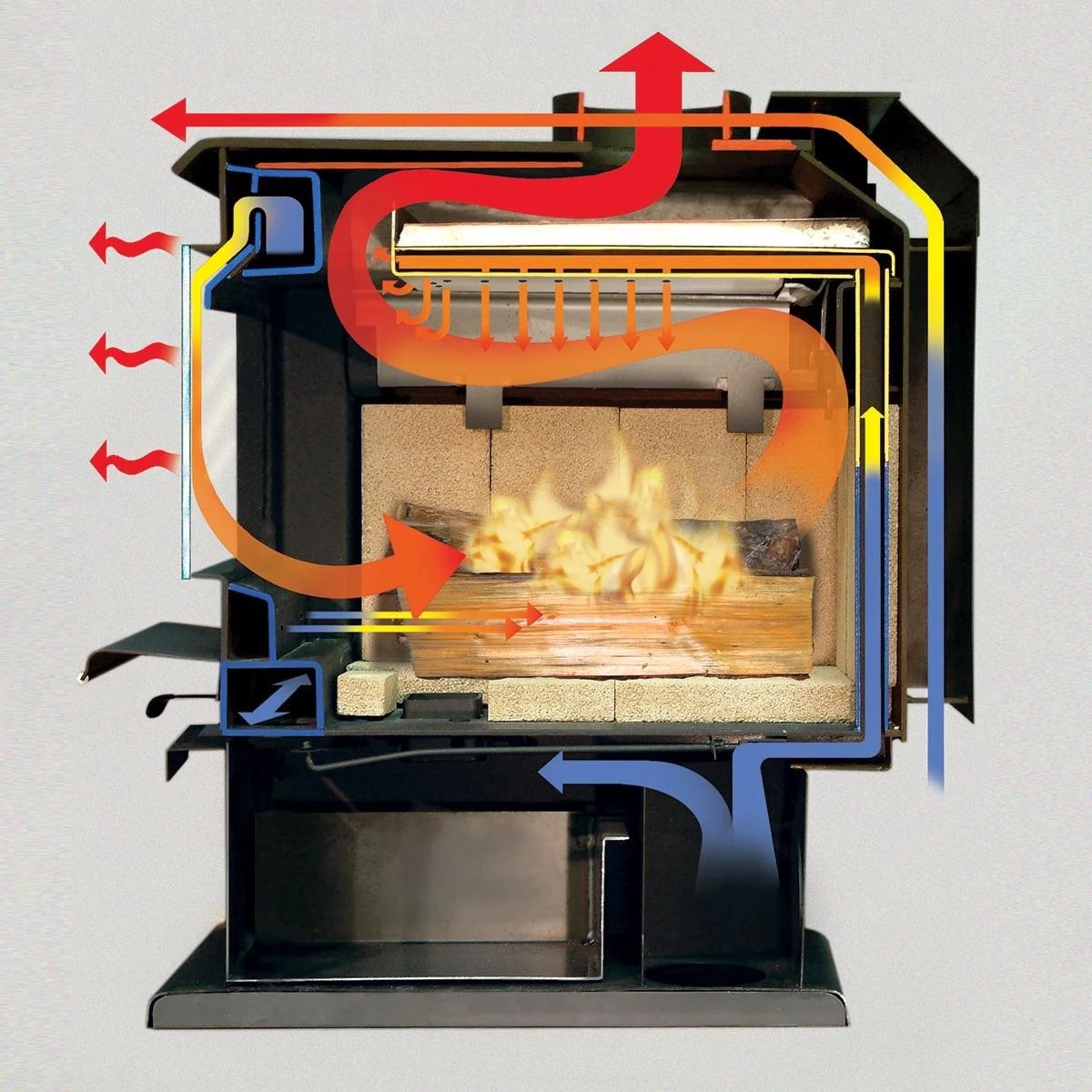
Understanding how a stove works can help you choose the right model and use it properly.
The process is straightforward.
Suitable dry logs are placed inside the stove. Kindling and an appropriate firelighter can be used to help start the fire, following the manufacturer’s instructions.
Wood needs oxygen to burn. Most modern stoves have air controls that allow the user to regulate the supply of air to the fire.
Correct airflow helps the stove operate as intended. Closing the air controls too much can cause incomplete combustion, increased smoke and deposits inside the flue.
The stove’s body becomes hot as the wood burns. Heat is transferred into the room through a combination of radiation and convection, depending on the stove’s design.
This creates a comfortable source of warmth while the fire is burning.
Smoke and combustion gases must be carried safely outside through a suitable chimney or flue system. Correct installation and regular maintenance are important for safe operation.
Always follow the appliance instructions and arrange appropriate professional advice if you are unsure about installation or maintenance.
Once you understand that a log burner and a wood-burning stove generally mean the same thing, the next step is to decide which features matter most.
Heat output is one of the most important things to consider. It is normally measured in kilowatts (kW).
A stove with too little output may struggle to provide the warmth you need. A model with too much output may make a room uncomfortably hot, particularly in a well-insulated home.
Room size is a useful starting point, but insulation, ceiling height, windows, layout and other heat sources also affect your requirements.
Check the manufacturer’s recommendations and seek professional guidance when choosing an appropriate output.
A stove often becomes a focal point in a living room, so its appearance matters as well as its heating performance.
Traditional models can suit period properties and classic interiors. Modern designs may feature a simple black finish, larger viewing windows or a more minimalist shape.
Think about the surrounding fireplace, flooring, furniture and available space before choosing a design.
A freestanding wood burning stove sits independently on a suitable hearth or other approved installation base. It can be a good option where the room layout allows the stove and flue to be positioned correctly.
An inset stove is designed to fit into a suitable fireplace opening or purpose-built enclosure. It can create a more integrated appearance.
Neither style is automatically better. The right option depends on your property, available space, installation requirements and preferred appearance.
Manufacturers provide performance information for individual appliances. Look at the rated efficiency, emissions information and applicable product standards rather than assuming that every modern-looking stove performs equally well.
Some models feature secondary or tertiary air systems that help burn combustible gases more completely under suitable operating conditions.
For many homeowners, these features are worth comparing alongside the stove’s heat output and ease of use.
Steel and cast iron are commonly used in wood-burning stoves.
Cast iron is often associated with traditional designs and substantial construction. Steel allows manufacturers to create a wide range of shapes, including contemporary models with broad glass panels.
The material alone does not determine how well a stove will heat a room. Overall design, rated output and construction quality also matter.
Before buying, make sure the property can accommodate the stove and its flue system.
You may need to consider the existing chimney, flue liner, hearth, clearances from combustible materials, ventilation and building requirements.
A qualified installer can assess the property and explain what work is necessary before you commit to a particular model.
A freestanding wood-burning stove is a type of wood-burning stove designed to stand independently rather than being built into a fireplace opening.
It can also be described as a freestanding log burner when it burns logs.
Freestanding models are available in different heights, widths, heat outputs and styles. Some have compact bodies for smaller spaces, while others feature a taller design or larger viewing window.
Before choosing a freestanding wood burning stove, consider:
Freestanding does not mean that the stove can simply be placed anywhere. It must be installed in accordance with its instructions and the applicable requirements.
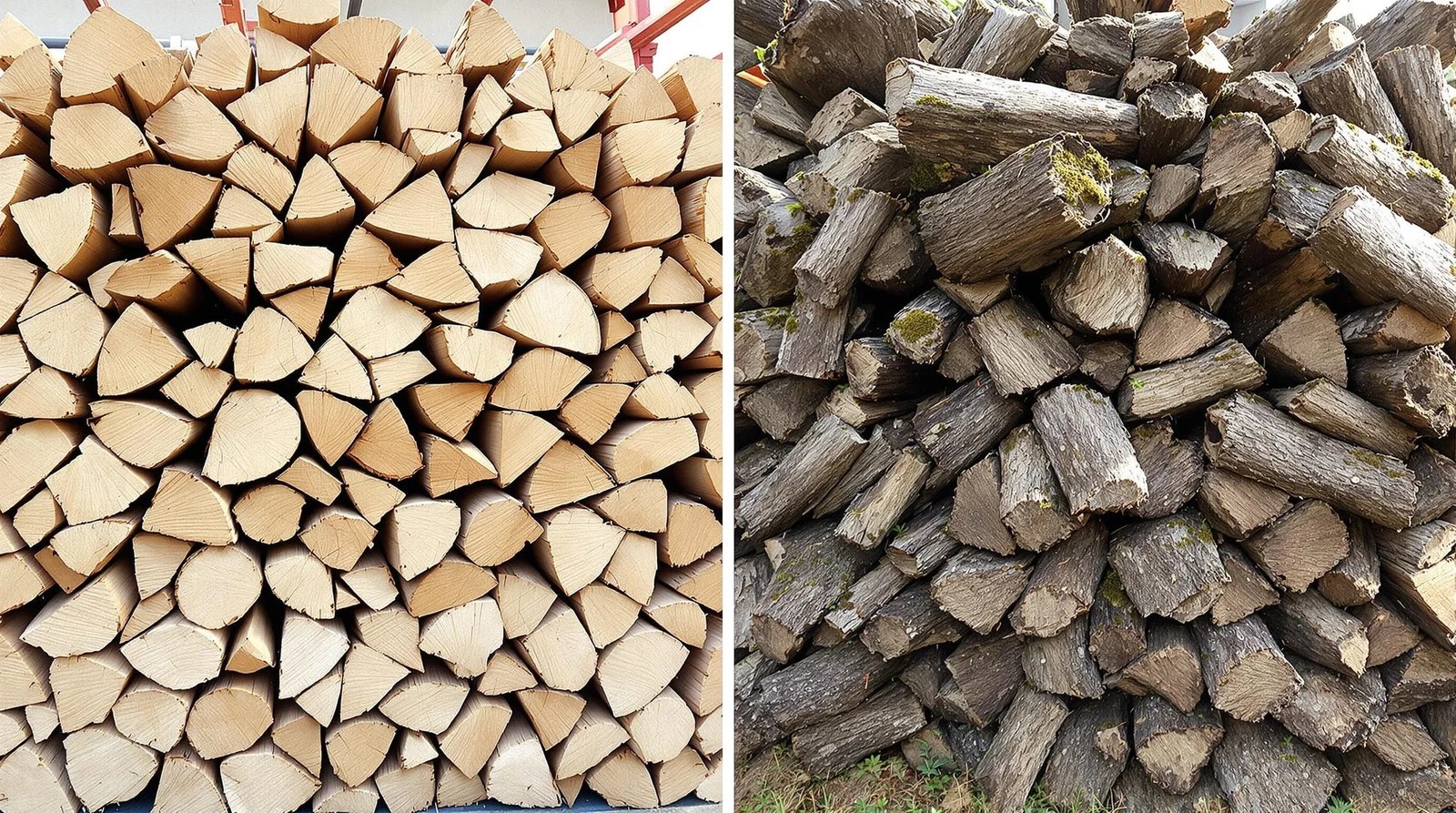
The type and condition of the wood can make a real difference to how a stove operates.
Choose suitable, clean and properly dried firewood that meets the manufacturer’s requirements. Wet wood contains more moisture, which uses energy during burning and can contribute to smoke, poor performance and deposits in the flue.
In England, the Ready to Burn scheme covers certain wood fuels sold for domestic burning, with moisture requirements applying to the relevant products.
For best results:
Using the correct fuel and operating the stove properly can help support better combustion and reduce avoidable problems.
Wood-burning stoves are available for use in the UK, but homeowners should understand the rules that apply to their property and appliance.
Some locations are designated smoke control areas. In these areas, restrictions apply to smoke emissions and the fuels that can be burned. Certain wood-burning appliances are approved or exempt for use with specified fuels under the relevant rules.
Before buying a stove, check the requirements for your local area and confirm that the exact model is suitable for your intended use. Do not assume that every wood burner is permitted simply because it is sold in the UK.
You can find further guidance on the official GOV.UK smoke control area rules.
Installation requirements also matter. In England and Wales, relevant Building Regulations provisions may apply to the installation of a solid-fuel appliance and its flue. Requirements differ across the UK, so check the rules that apply to your location.
Because these terms generally describe the same appliance, there is no meaningful winner based on the name alone.
The better choice is the stove that suits your home, heating needs and budget.
If you are comparing products, focus on the following:
Taking time to compare specifications can help you make a more informed decision and avoid choosing a stove based on appearance alone.
Yes. In most cases, the terms describe the same appliance: an enclosed stove that burns wood logs to produce heat. Log burner is the more informal term, while wood-burning stove is commonly used in product descriptions.
Generally, no. Wood burner and log burner are commonly used as alternative names for a wood-burning stove. Always check the product details to confirm the type of appliance and the fuel it is designed to burn.
A properly designed enclosed stove can make better use of the energy released by burning wood than a traditional open fire. However, actual performance depends on the model, installation, fuel quality and how the appliance is operated.
Not necessarily. The room must be suitable for the appliance, and the installation must meet applicable requirements for the flue, ventilation, hearth and clearances. A professional assessment can help establish what is possible in your property.
A wood-burning stove needs a suitable flue system to carry combustion gases safely outside. An existing chimney may be suitable after inspection and any necessary work, or another compliant flue arrangement may be possible. A conventional chimney is not always required, but safe and compliant flue provision is essential.
Choose a stove based on the room’s heating requirements rather than floor area alone. Insulation, ceiling height, windows and the layout of the property all affect the heat needed. Compare rated outputs and seek professional advice if necessary.
Some appliances are approved for use with specified fuels in smoke control areas. Check the rules for your location and confirm the approval status and permitted fuels of the exact model before purchasing.
Halcyon Fireplaces offers a range of fireplace products, including wood-burning fires. You can browse the Wood Burning Fires collection to explore available options and compare products for your home.
Choosing a fireplace becomes much easier when you understand the terminology and know which features to compare. Whether you call it a log burner, a wood burner or a wood-burning stove, the important thing is to select a suitable appliance that meets your heating needs and installation requirements.
